NUAR in 2026: what UK contractors need to know
The National Underground Asset Register has been a full live service since 2024. Here's what's changed, what it costs, where the gaps still are, and how to register.
By GroundPin team, GroundPin
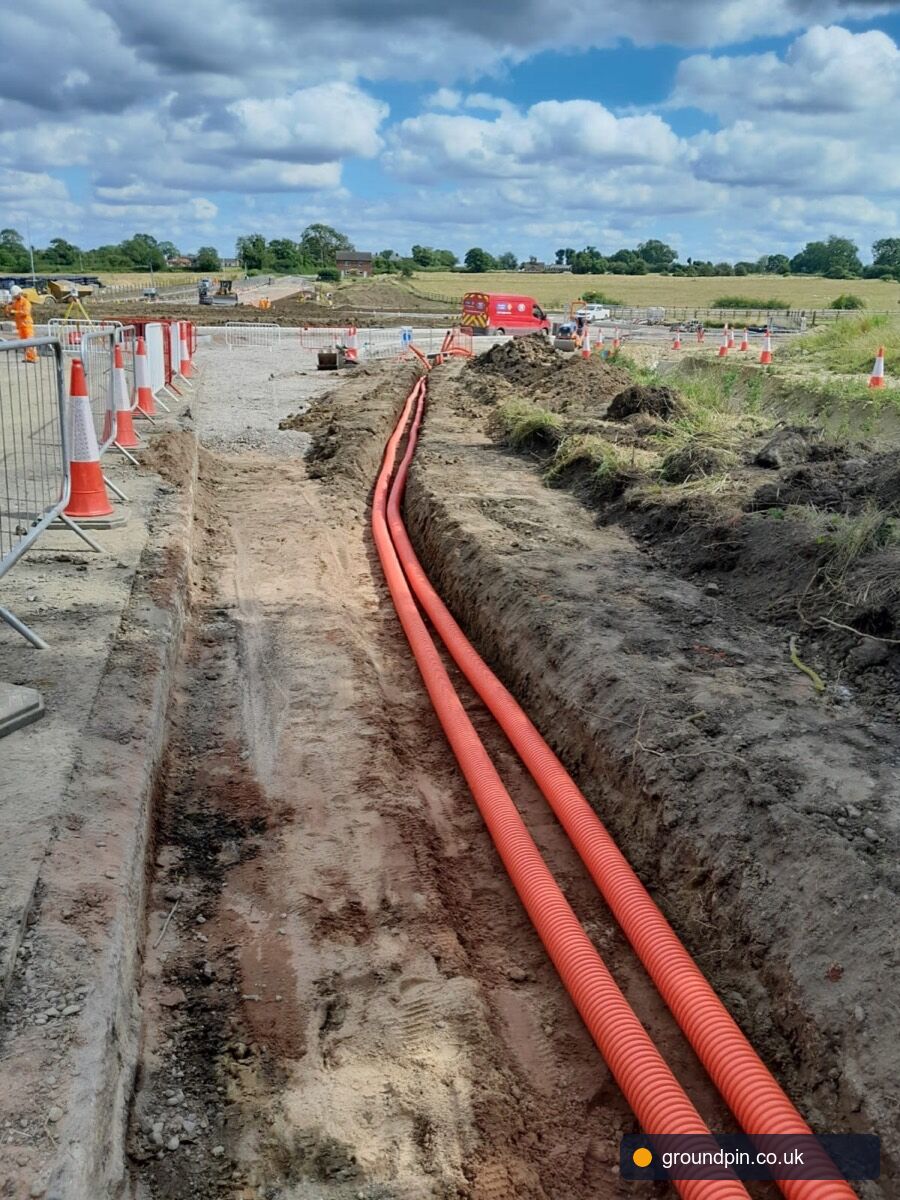
The National Underground Asset Register — NUAR to everyone who actually uses it — has been a full national service for about two years now. Coverage has grown quietly, contractor adoption has grown faster, and a handful of the early quirks have been ironed out. This is a short piece for contractors still deciding whether to set up an account, or considering making NUAR their default pre-dig check.
What changed in 2024
NUAR went from pilot to national production in 2024. Before that it ran as regional pilots — North East England first, then London, then a wider trial. Since 2024 there's been one national gateway. Any registered enquirer can query any part of Great Britain through the same login.
Coverage target is national, GB only. Northern Ireland has its own scheme.
What it costs
Nothing, for a genuine excavating enquirer. Register, prove you're doing excavation work, then search without limits. There's been chatter about charges for asset owners at some point in the future. Nothing on the enquirer side at time of writing. Worth keeping half an eye on.
How long a search takes
Instant. That's the main operational win over LSBUD for most crews. You log in, draw a polygon, and a consolidated drawing appears in the browser. No waiting for auto-replies to land in the inbox, no second pass because Cadent's email didn't come back.
You can still export a PDF of the return, and you should. The hazard pack wants something on paper.
What's missing
Three categories are either out or heavily restricted.
Network Rail track and lineside assets. Excluded for security. You need a direct Network Rail enquiry for anything within 15 metres of the running line, and a PTS-certified person on site before any work.
MOD assets on defence estates. Same thinking. Talk to the estate authority directly.
Small private networks. Business parks, retail campuses, industrial plots often have private utility networks that the owner hasn't registered. Those show up as blank on NUAR. The assets are still there. A CAT and a trial hole find them.
Practical tips for setting up
Register the enquirer account to the company, not an individual. People leave. Accounts shouldn't.
Tie your daily searches to the site you're working on. NUAR keeps a log of enquiries. That log is useful later if the HSE asks why a dig was done where it was done.
Save the PDF for every search alongside the site's hazard pack. Don't rely on "I can always pull it again later". You probably can, but the day you need it, the platform will be down for planned maintenance.
When you run the search, set the radius sensibly for the actual dig. A 50-metre polygon for a five-metre excavation is noise. A tight polygon picks up less noise and is easier to read in the cabin.
Common mistakes
Running NUAR once at project start and forgetting about it. The picture changes. A neighbouring contractor lays a supply through your site perimeter. Somebody registers an asset that wasn't there last month. Re-query before any phase where the dig moves to a new area.
Treating NUAR as a replacement for on-site verification. It isn't. It confirms what's been registered. The ground is where the actual cables and pipes are.
Relying on only NUAR and skipping LSBUD. There are still operators on one and not the other. Run both — takes two minutes.
Where GroundPin fits
NUAR is the right answer for "what's been registered to be there". GroundPin is for "what we actually found when we opened the ground up last month". Two different problems, both useful. NUAR goes in your hazard pack. GroundPin goes with your crews, and the pins they drop become the record the next phase can read.